Wondering if a golf community home in Bent Tree is the right fit for your North Georgia lifestyle? If you want mountain scenery, a gated setting, and golf as part of a bigger amenity package, Bent Tree offers a lot to like. At the same time, it is important to understand how fees, membership options, and community rules work before you buy. This guide will help you look at Bent Tree with clear eyes so you can make a confident decision. Let’s dive in.
Why Buyers Consider Bent Tree
Bent Tree is a gated community in Jasper, Georgia 30143, about 60 miles north of Atlanta. It is known for combining mountain terrain with a broad amenity package that includes a 110-acre lake, an 18-hole golf course, hiking trails, pools, tennis, pickleball, an equestrian center, and dining.
For many buyers, that mix is the biggest draw. You are not just buying a home near a golf course. You are buying into a mountain-lake setting where golf can be one part of how you spend your time, alongside boating, walking trails, social events, and casual weekends in the North Georgia mountains.
What “Golf Community” Means Here
One of the most important things to know is that golf in Bent Tree is not a blanket benefit that comes with every purchase. Golf access is an add-on, with separate fee structures and usage rules.
That matters because some buyers assume a golf community works like an all-inclusive setup. In Bent Tree, your ownership and annual fees are only part of the picture. If golf is central to your lifestyle, you will want to review the current golf package options, trail fees, guest fees, and cart rules before you make an offer.
Bent Tree Golf Basics
The Bent Tree golf course is a Joe Lee design. It is a par 72 course that measures 6,410 yards from the Blue tees, and the routing moves through mountain terrain with streams, brooks, and waterfalls.
If you love scenic golf, that setting is a real plus. It offers a mountain-course experience that feels different from flatter suburban layouts and fits the overall lifestyle many second-home and retirement buyers are looking for in North Georgia.
Golf Fees to Expect
According to the 2026 fee schedule, annual unlimited-play golf packages range from $2,500 for a single owner with a private cart to $4,200 for a family with a Bent Tree cart. Seasonal trail-fee packages range from $2,000 to $3,600.
There are also additional golf-related costs to keep in mind. Annual cart storage is listed at $250, weekday guest play is $45 for 18 holes, weekend guest play is $60, and non-accompanied guest play is $85.
Private Cart Rules Matter
If you plan to use your own golf cart on the course, Bent Tree has specific requirements. The rules require a trail fee, AGUF trail fee, or daily use cart fee before a private cart may be used on the course, and private carts must be insured and registered.
This is the kind of detail buyers should understand early. It helps you avoid surprises and compare Bent Tree more accurately with other golf-oriented communities in North Georgia.
What Homes in Bent Tree Look Like
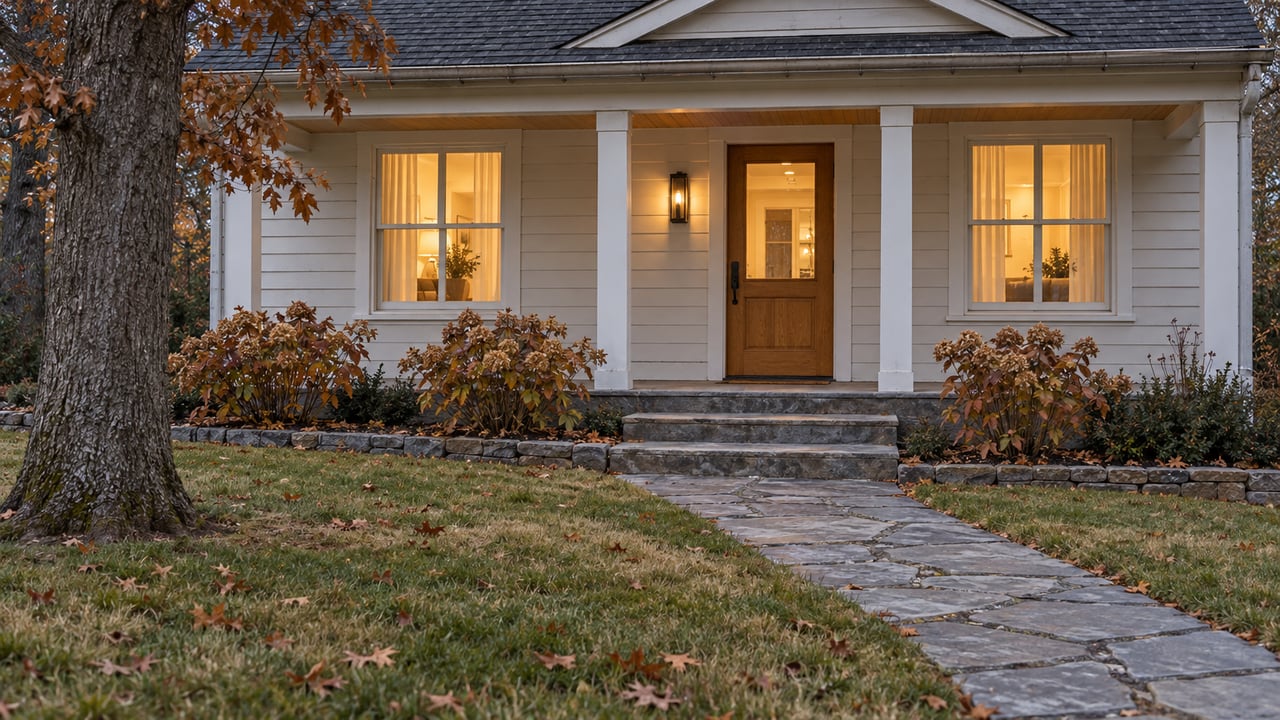
Bent Tree does not appear to follow one single home style. Public listing samples show a mix of log homes, cabin-style properties, ranch-style cabins, mountain ranch homes, lakefront homes, and golf-adjacent homes.
That gives buyers more variety than you might expect in a traditional master-planned golf subdivision. If you are drawn to mountain architecture, rustic finishes, or a more custom feel, Bent Tree may offer options that feel more personal and less uniform.
Expect a Resale Market Feel
Based on public listing samples, Bent Tree behaves more like a mountain-resort resale market than a one-style neighborhood. In practical terms, that means homes may differ more in age, design, lot characteristics, and updates.
For you as a buyer, that can be both exciting and challenging. It creates more choice, but it also makes pricing less simple. In communities with varied homes and fewer direct comparables, local valuation insight becomes especially important.
Costs Beyond the Purchase Price
When buying in Bent Tree, the price of the home is only one part of your budget. You also need to understand annual community costs, user fees, utility-related charges, and any optional amenity packages that match how you plan to live there.
This is where many buyers benefit from slowing down and building a true ownership-cost picture before they close. A mountain golf community can be an excellent fit, but only when the numbers align with your expectations.
Annual Community Fees
The 2026 fee schedule shows that improved lots carry annual assessments totaling $3,608 and an AGUF of $850. Unimproved lots total $1,026 and an AGUF of $80.
A key detail is that the Annual General User Fee, or AGUF, provides annual privileges that transfer to the new owner through the lot sale. However, annual amenity fees are separate and do not transfer.
New Construction and Lot Development Fees
If you are thinking about buying land and building later, review the development costs carefully. The 2026 fee schedule lists a $2,158 impact fee, a $2,500 capital contribution fee, and a $2,868 water meter/right-to-access charge for new construction or lot development.
Those fees can meaningfully affect your budget and lot strategy. If you are comparing resale homes versus building, this is one of the most important cost categories to put on paper.
Utility Planning
Bent Tree operates its own water system. The 2025 community water report says the system serves 1,153 connections and draws from Lake Tamarack and Chestnut Cove reservoirs.
Because of that, buyers should review water, garbage, and other utility charges alongside HOA fees and optional golf costs. Looking at the full monthly and annual ownership picture will help you decide whether the community fits your long-term plans.
Membership and Access Rules to Understand
A common misconception is that buying a home automatically makes you a full community member in every respect. In Bent Tree, homeownership does not automatically make someone a BTCI member, and membership is voluntary.
Property owners may designate one family unit to use the common properties. Long-term renters become designated members, while short-term renters are treated as guests.
Gate and Account Details
Bent Tree is a gated community, and access procedures matter. Gate transponders are tied to current accounts and must be updated annually.
For buyers, this is less about inconvenience and more about understanding how the community manages access. It is one more example of Bent Tree’s structured, rule-based approach to ownership and amenity use.
The Lifestyle Upside
For the right buyer, Bent Tree’s appeal goes well beyond golf. Lake Tamarack is a 110-acre no-wake lake with a beach, pavilion, boating, fishing, kayaking, and picnic areas.
The community also includes trails, pools, and a resident activities calendar. According to the Activities Committee, events and interest groups are open to all residents, with programming that includes picnics, classes, dances, book clubs, youth events, and other resident-led activities.
Golf Plus Mountain-Lake Living
This is why many buyers are drawn to Bent Tree in the first place. If you want golf, but you also want water access, outdoor recreation, and social opportunities, Bent Tree offers a broader lifestyle than a golf-only community.
That broader mix can be especially appealing if your household has different interests. One person may love the course, while another may be more interested in the lake, trails, courts, or organized activities.
The Tradeoffs to Think Through
Bent Tree can be a great fit, but it is not for everyone. The same structure that supports amenities and a well-managed environment can feel restrictive if you prefer very light oversight or a high degree of exterior flexibility.
That is why due diligence matters so much here. You want to know not just whether you like the home, but whether you are comfortable with the way the community operates.
Rules for Boats, Carts, and Vehicles
Bent Tree is an amenity-driven community with detailed rules. Boats must be registered annually, Lake Tamarack is no-wake, and the rules limit boat size and internal-combustion engines.
Golf carts and LSUVs must also be registered and insured, and they may be used only on paved or gravel roads or on the owner’s property. If you plan to bring recreational equipment or use a cart regularly, these rules are worth reviewing closely.
Architectural Control
Architectural and landscaping oversight is also significant. The rules and architectural handbook require approval for tree removal and vista pruning, restrict encroachments on common property, and allow construction enforcement through stop-work processes and letters of credit.
If you are buying a home with plans to clear trees, expand views, or make exterior changes, expect a formal approval process. That does not mean improvements are impossible, but it does mean they are governed.
How to Shop Smart in Bent Tree
When you buy in a community like Bent Tree, the smartest approach is to evaluate both the property and the structure around it. A beautiful house on a golf-adjacent lot may still be the wrong fit if the fee structure or rules do not match how you want to live.
A clear, organized buying process can help you avoid that mismatch. It can also help you compare Bent Tree to other gated mountain communities more accurately.
Your Bent Tree Buyer Checklist
- Confirm whether the home is golf-adjacent, lake-oriented, or focused on privacy and mountain views
- Review annual assessments, AGUF, and any optional golf or court memberships you may want
- Ask how the current owner uses the amenities and what fees would carry over versus start fresh
- Review rules for private carts, boats, LSUVs, and guest access
- If remodeling is part of your plan, study the architectural approval requirements early
- Add utility charges, including water-related costs, to your ownership budget
- Compare the home’s style, age, updates, and lot features with other active and recent Bent Tree options
Why Local Pricing Insight Helps Here
Bent Tree’s varied housing stock can make valuation less straightforward than in a more uniform subdivision. A log cabin, a ranch-style mountain home, a lakefront property, and a golf-adjacent home may all compete for similar buyers, but they do not always price the same way.
That is where appraisal-informed guidance can make a real difference. When homes vary in architecture, lot appeal, updates, and amenity positioning, you want a buying strategy grounded in local market context, not broad assumptions.
If you are considering a golf community home in Bent Tree, working with a local expert can help you look beyond the listing photos and understand the full ownership picture. If you want guidance on pricing, fees, community fit, and how Bent Tree compares with other North Georgia gated communities, connect with Charles Vecchio for a local market consultation.
FAQs
What should buyers know about golf membership in Bent Tree?
- Golf membership in Bent Tree is optional and separate from basic ownership costs, so you should review current golf packages, trail fees, guest fees, and cart rules before buying.
What fees come with buying a home in Bent Tree?
- Buyers should plan for the purchase price plus annual assessments, the AGUF, utility-related charges, and any optional amenity memberships such as golf or court access.
What types of homes are available in Bent Tree?
- Public listing samples show a mix of log homes, cabin-style homes, ranch-style cabins, mountain ranch homes, lakefront homes, and golf-adjacent properties.
What are the architectural rules for Bent Tree homes?
- Bent Tree requires approval for certain exterior and landscape changes, including tree removal and vista pruning, so buyers planning updates should review the architectural handbook and rules early.
Is Bent Tree a good fit for buyers who want a mountain lifestyle?
- Bent Tree may be a strong fit if you want golf as part of a broader mountain-lake lifestyle with lake access, trails, pools, courts, and resident activities in a gated setting.
What should buyers review before purchasing land in Bent Tree?
- Buyers considering a lot should review development-related fees, including the impact fee, capital contribution fee, and water meter/right-to-access charge, along with architectural requirements and ongoing annual costs.