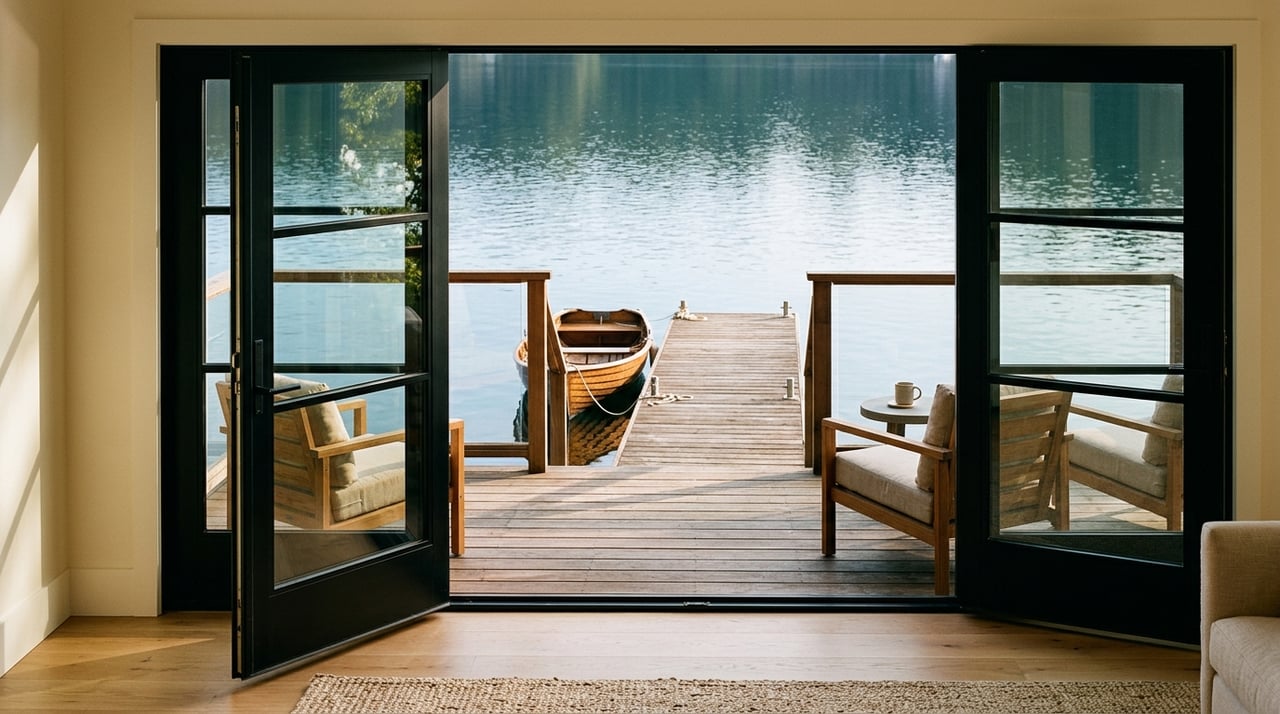
Dreaming about a lake-area home near Buckhead, GA? The view may win your heart fast, but the details behind the shoreline can shape your ownership experience just as much as the house itself. If you want to buy with confidence, it helps to know what to verify before you fall in love with the dock, the lot, or the water access. Let’s dive in.
Know the property type first
Not every lake-area property near Buckhead works the same way. Before you focus on finishes, views, or boat storage, make sure you understand whether the home sits on a private-owned lot, an access lot, or a Georgia Power residential lease lot.
That difference affects what you own, what you lease, and what rules apply to the shoreline. According to Georgia Power, access lots include a strip of shoreland owned by Georgia Power, come with an annual fee, and limit what can be done on that strip. On residential lease lots, Georgia Power owns the land while the buyer or lessee owns the improvements.
If you are buying a lease lot, timing matters too. Georgia Power says a lease transfer must happen with closing, can take three to four weeks, and may require a new as-built survey. It also notes that legal documents are recorded at the county courthouse and shoreline structures will not be validated for new owners until the proper agreement is signed.
From a practical resale standpoint, clean paperwork matters. A property with a clear survey, recorded agreements, and an organized transfer file is usually easier to understand and easier to market later.
Verify shoreline rights and access
A lake view and true lake use are not always the same thing. If a home’s value depends on direct water enjoyment, confirm exactly what shoreline access comes with the property.
Lake Oconee is a recreation lake, and that adds to the appeal for many buyers. Georgia Power describes the lake area as supporting boating, fishing, camping, hiking, and other recreational use, and it notes there are six public access points around Lake Oconee.
That broader recreation setting can support lifestyle value, but your personal use still depends on the rights tied to the specific parcel. Before you buy, confirm whether you have private shoreline use, limited access, or shared access governed by additional rules.
Check dock and shoreline permits
If the dock is one of the main reasons you want the property, treat it like a major asset. Do not assume an existing dock, boathouse, seawall, lift, or shelter is fully approved just because it is already there.
Georgia Power requires written authorization for shoreline structures such as docks, boathouses, seawalls, and shelters. It also says that on leased lots, maintenance or additions to a dwelling or detached structure require a permit.
Morgan County adds another layer. The county says building permits are required for docks and swimming pools, which means a waterfront improvement may need both county approval and Georgia Power approval.
A smart buyer should ask for permit records, transfer information, and any available inspection history. If the structure adds meaningful value to the property, you want to know it is permitted, transferable, and consistent with current rules.
Understand Lake Oconee boating rules
The lake lifestyle often includes boating, but lake rules can affect what kind of vessel you can use and how you store it. That is why it helps to verify those rules early instead of after closing.
Georgia Power says the maximum vessel length on Lake Oconee is 30'6". It also says houseboats with galleys, sleeping quarters, or marine toilets are not allowed on Georgia Power lakes.
It is also important to review Oconee-specific dock and lift standards. Existing improvements should be checked for current compliance rather than assumed to be permanently grandfathered.
Treat well and septic as major systems
Many lake-area homes rely on private well and septic systems. These are not small side issues. They are core property systems that can affect daily use, maintenance costs, and long-term value.
Morgan County Health Department Environmental Health handles private water and private sewage disposal programs. For wells, Georgia DPH says they must be installed by a licensed water well contractor, should be located away from septic components, and should not be in flood-prone areas unless the casing extends at least two feet above the highest known flood of record.
Georgia DPH also recommends annual bacterial testing and a chemical screen every three years, called the W33C or Private Well Chemical Test. If you are evaluating a home with a private well, recent test results can tell you a lot about current condition and future planning.
For septic systems, it is wise to request the as-built drawing from local health department records, along with pumping and maintenance records if available. You should also review the system age, leakage signs, drainfield condition, and any compliance history.
In simple terms, when you buy a lake-area home on well and septic, you are also buying private infrastructure. Good documentation can make ownership smoother now and resale easier later.
Review floodplain and drainage early
Waterfront and near-water properties can come with floodplain considerations, drainage concerns, and site restrictions. These issues are easier to handle before you are under pressure to close or start improvements.
Morgan County says it handles floodplain regulations, and the county notes that flood insurance is separate from standard homeowner’s insurance and can have a 30-day waiting period. The county’s zoning guidance also states that if a property is inside a flood plain, no structures may be built until the owner obtains a FEMA Letter of Map Amendment.
Flood map information can also change over time. That means you should verify current flood hazard status during due diligence rather than rely on old assumptions or past owner comments.
Drainage matters even if you are not planning to build right away. Standing water, erosion patterns, slope issues, and runoff toward the lake can affect both enjoyment and future project costs.
Plan ahead for land-disturbance rules
If you are buying with plans to clear trees, expand a homesite, improve drainage, or reshape shoreline areas, county permitting may play a major role. This is especially important for larger or more rural parcels near the water.
Morgan County says land-disturbance permits are required when disturbing more than one acre or within 200 feet of state waters. Those projects also need a professionally drawn erosion-control plan approved before a permit is issued.
The county also has a Watershed Protection District that includes the large Oconee watershed, and it defines the large watershed to include areas north of U.S. Highway 278. Development in that district requires a site plan and county permit before land-disturbing activity can begin.
For buyers, the takeaway is simple. If your vision includes site work, shoreline improvements, or new exterior features, check county rules early and build that timeline into your planning.
Read the HOA packet carefully
In many lake-area communities, county rules and Georgia Power rules are only part of the picture. A homeowners association or lake association may also have its own governing documents that shape what you can do with the property.
Those documents can affect dues, maintenance obligations, common-area use, and shoreline-related conduct. Even when a home feels like a private retreat, the governing documents may set clear rules for structures, upkeep, parking, boat storage, or exterior changes.
It helps to read the packet as carefully as you would read a contract. Pay close attention to restrictions, approval processes, fees, and any obligations tied to shared spaces or water access.
Build a smart due-diligence checklist
Lake-area homes often involve more moving parts than a typical in-town purchase. A little structure up front can help you avoid costly surprises later.
A strong due-diligence file should usually include:
- The deed and current survey
- Any Georgia Power lease or access agreement
- Dock, shoreline, and seawall permits
- Septic records and as-built information
- Well test history
- Floodplain status
- HOA or lake association governing documents
If any of these items are missing, unclear, or inconsistent, ask questions early. In a niche property category like lake homes, details that seem small on day one can become major issues during ownership or resale.
Why local guidance matters
Buying near the lake is often part lifestyle decision and part technical decision. You are not just evaluating the home. You are evaluating shoreline rights, lake rules, utility systems, permits, and future use options.
That is where experienced, appraisal-minded guidance can make a real difference. When a property is unique and the details are layered, you want a clear-eyed view of value, risk, and resale potential before you commit.
If you are considering a lake-area home near Buckhead, working with a local advisor who understands how to evaluate non-standard properties can help you move forward with more confidence. To talk through the details of a specific property or your search goals, connect with Charles Vecchio.
FAQs
What should you verify before buying a lake-area home near Buckhead, GA?
- You should verify the property type, shoreline rights, survey, permit history, dock status, well and septic records, floodplain status, and any HOA or lake-association documents.
What is a Georgia Power lease lot on Lake Oconee?
- A Georgia Power residential lease lot is a property where Georgia Power owns the land and the buyer or lessee owns the improvements, with lease transfer required at closing.
Do docks near Buckhead and Lake Oconee need permits?
- Yes. Georgia Power requires written authorization for shoreline structures, and Morgan County says building permits are required for docks.
What boating limits apply on Lake Oconee?
- Georgia Power says the maximum vessel length on Lake Oconee is 30'6", and houseboats with galleys, sleeping quarters, or marine toilets are not allowed on Georgia Power lakes.
Why do well and septic records matter for Buckhead-area lake homes?
- They matter because private well and septic systems are major property systems, and their test results, maintenance history, and documentation can affect both current use and future resale.
How can floodplain rules affect a lake-area property near Buckhead?
- Floodplain status can affect insurance needs, building plans, and improvement timelines, and Morgan County says some properties in a flood plain require a FEMA Letter of Map Amendment before structures can be built.