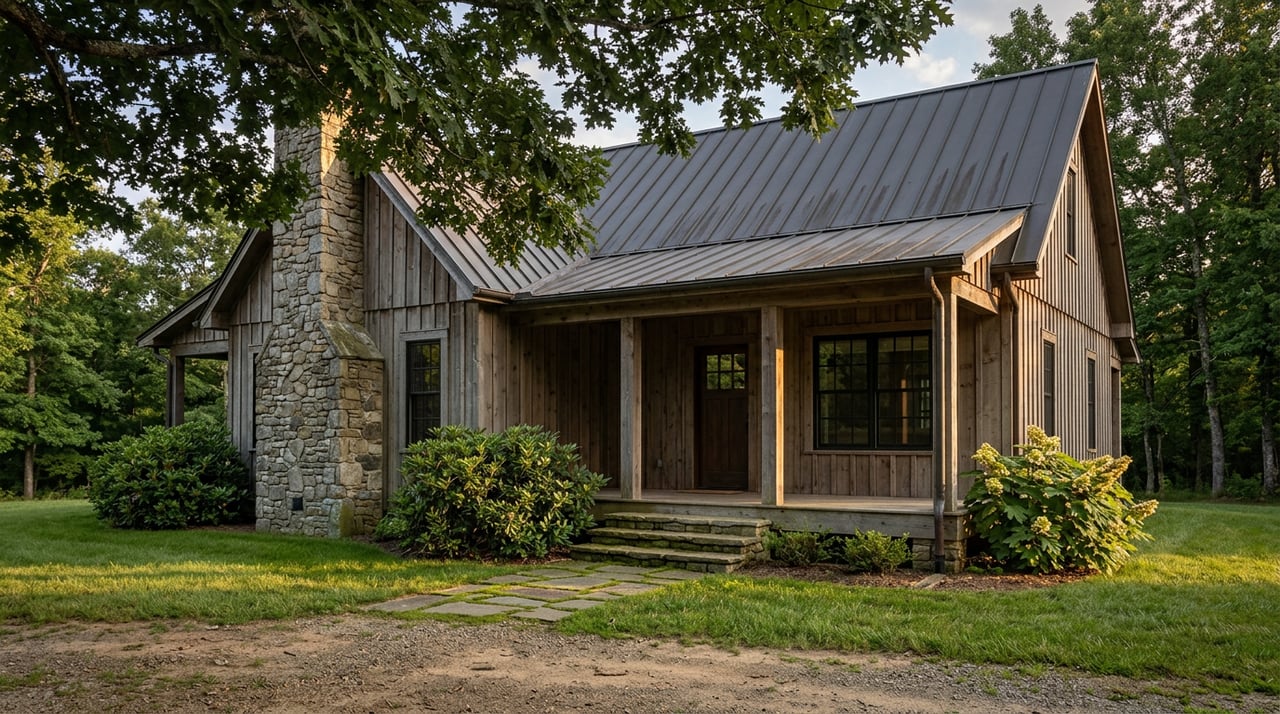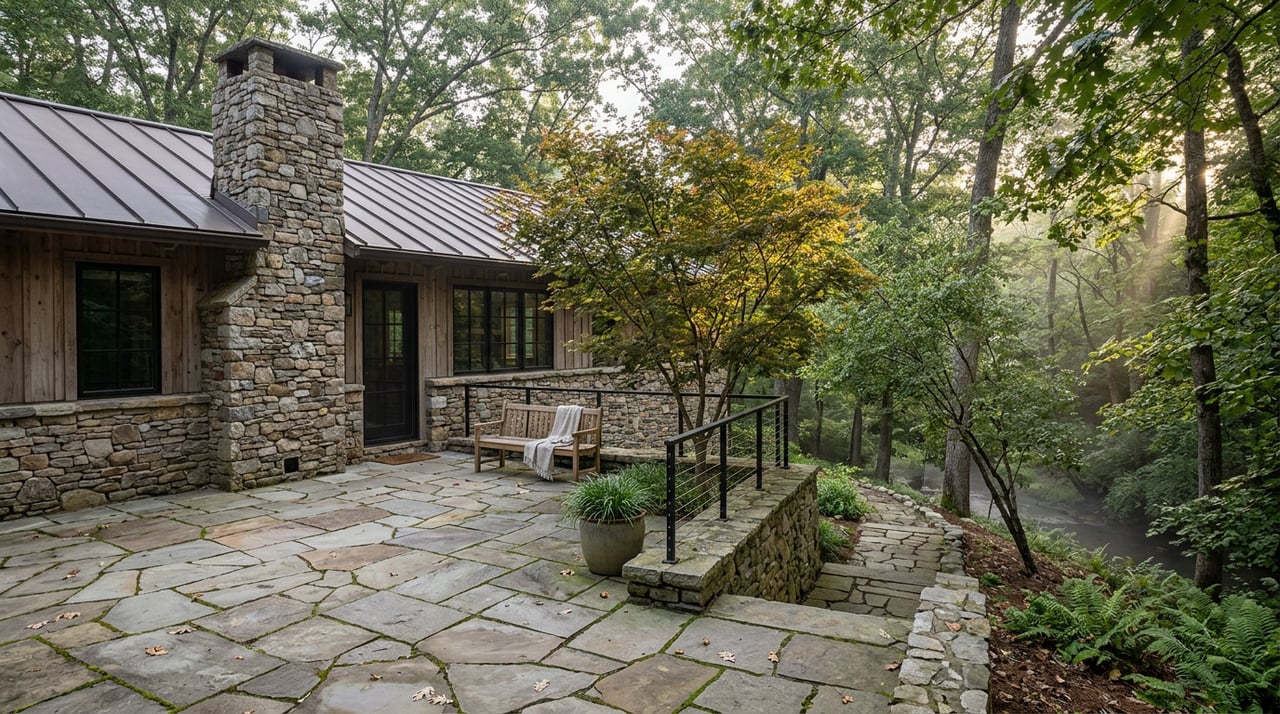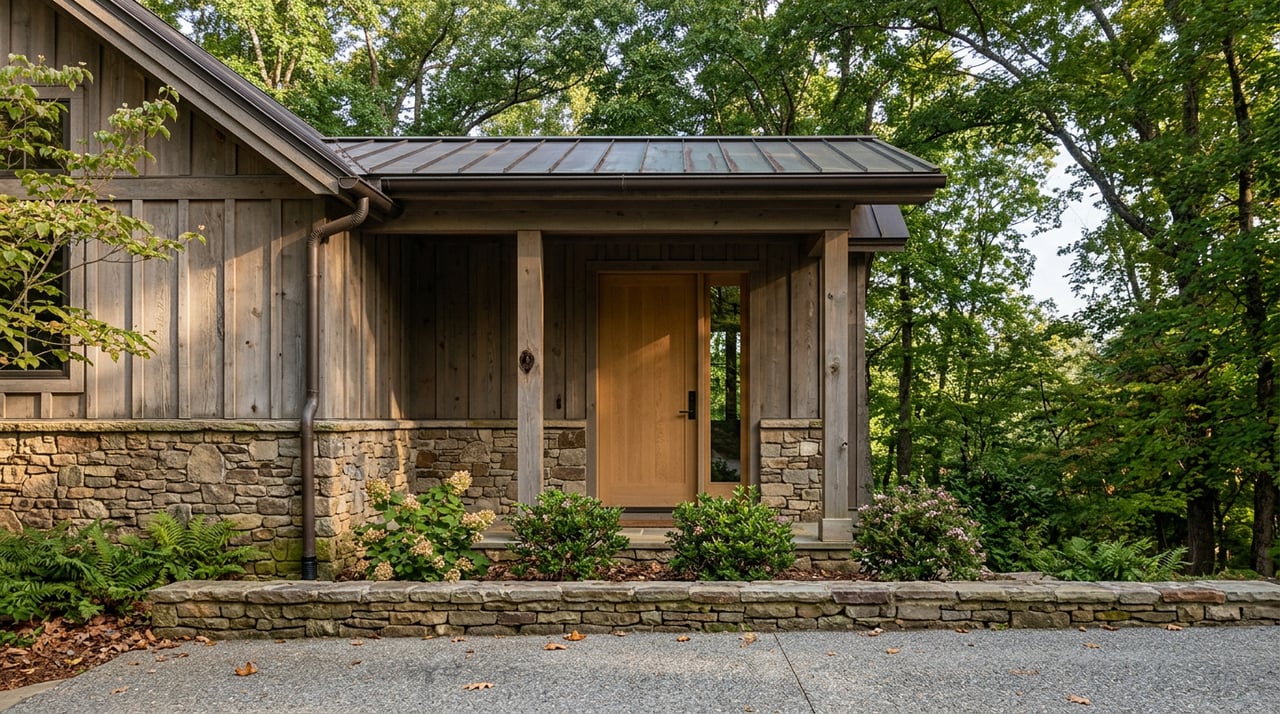
A buyer scrolling listings for Big Canoe sees a number that looks manageable. A three-bedroom cottage near the golf course, list price in the mid-$700s, HOA fee noted somewhere in the fine print. It looks like every other gated community listing in North Georgia. Then the buyer calls the amenities office to ask what the HOA fee actually covers, and the answer is longer than expected: that fee is not one fee. It is a mandatory assessment plus whatever a la carte memberships the household decides to join, each with its own contract, its own lock-in period, and its own rules about what happens if you change your mind.
That structure is the reason two homes with nearly identical price tags in Big Canoe can carry wildly different monthly costs, and it is the detail that gets missed when buyers compare median sale price across communities without asking how each one actually bills for the lifestyle it's selling.
Two Separate Bills, Not One
Every property owner in Big Canoe pays a mandatory assessment to the Property Owners Association. This is not optional and it is not tied to how much of the community a household actually uses. It funds the roughly 90 miles of paved road, fire and rescue services, and the upkeep of common property. In 2023, that assessment sat at $356 a month for homeowners and $230 a month for lot owners, plus a one-time initiation fee paid at closing.
That number moves most years. The POA's November 2025 board meeting approved the 2026 operating budget, and at the annual meeting the following month, management detailed the specifics: a $15 a month operating assessment increase, a 3.75 percent bump described as the smallest increase in seven years outside of the pandemic period. Eighty-four percent of that new revenue goes toward payroll, taxes, and benefits rather than new amenities. The capital assessment, the portion that funds major infrastructure projects, saw no increase at all for 2026.
None of that has anything to do with golf, tennis, or the pool. It is simply the cost of belonging to the association that owns the roads you drive on to get to your driveway.
The Amenity Menu Is Optional, and So Is the Bill
Recreation in Big Canoe runs on a separate system entirely. Amenity membership is offered in categories that include golf, tennis, pickleball, bocce, wellness, swim, and fishing, and a household can join one, several, or none of them. If you don't use an amenity, you don't pay for it. That sounds like flexibility, and it is, but the fine print matters more than the pitch.
Joining any amenity creates a twelve month obligation to pay the monthly fee. You can upgrade a membership at any time, but you cannot downgrade until you've held it for a full year, and you're only allowed to downgrade twice over the life of the membership. Every conversion has to be submitted in writing by the 15th of the month to take effect. Memberships are also non-transferable, so they can't be handed off to a family member or a future buyer as part of a sale.
This is why the range of HOA-style costs across Big Canoe is so wide. Listings and market reports show total monthly costs spanning from around $28 to more than $4,500, and that spread isn't a data error. It reflects the difference between a lot owner paying only the base assessment and a full-time resident who has joined golf, wellness, and swim for a multi-person household. Two owners on the same street can be paying entirely different totals depending on a decision that has nothing to do with square footage or lot size.
For a buyer used to a flat HOA fee that bundles the clubhouse, the pool, and the golf course into one line item, this takes some translating. The number a listing shows is rarely the number a household actually pays once it decides how it wants to live there.
What the Mandatory Side Actually Buys
The capital assessment isn't an abstraction. It is currently funding the final phase of the Lake Petit Dam rehabilitation, including a spillway replacement that the POA's own 2025 annual meeting materials describe as consuming 68 percent of the community's $9.8 million capital budget, all dedicated to safety improvements. The work has been engineered by Geosyntec, and it's being paid for through a combination of ongoing assessments and a $15 million credit facility the POA secured with Wells Fargo in 2022 at a fixed rate below four percent.
The same capital dollars have already delivered a finished, visible project. The clubhouse was expanded from roughly 28,800 to about 32,770 square feet, adding the Sconti and Dogwood dining rooms, a new Mountains View bar, and covered terraces on two sides of the building, according to the construction firm that completed the work. That's the kind of detail a buyer can actually walk through on a tour, and it's a more concrete answer to "what am I paying for" than any brochure line about lifestyle amenities.
What This Means When You're Comparing Communities
If you're cross-shopping Big Canoe against another gated North Georgia community, the median sale price alone won't tell you which one costs less to actually live in. You need three numbers, not one: the mandatory assessment, the initiation fee due at closing, and a realistic estimate of which amenity memberships your household will actually join and hold for at least a year.
That last piece is where buyers get tripped up most often. A household that joins golf and wellness in year one, then decides after eight months that they're not using the wellness membership, discovers they're locked in for four more months regardless. The rules exist to keep the amenities financially stable for everyone who does use them consistently, but they mean the decision to join isn't one to make casually or reverse quickly.
This is also where a background in appraisal helps more than a portal search. Comparing a Big Canoe listing to a comparable home in a community with a single bundled HOA fee isn't an apples to apples exercise unless someone walks through what each fee structure actually obligates the buyer to pay over a full year, not just at closing.
A Few Questions Buyers Ask Before Making an Offer
Is the amenity membership required to buy a home here? No. The POA assessment is mandatory for every property owner. Amenity memberships are opt-in and billed separately from that base fee.
Can I try an amenity for a few months before committing? Not through the standard membership. Joining any amenity category creates a twelve month payment obligation from the date of activation, with day passes available for occasional use instead.
Does the HOA fee on a listing already include amenities? Not necessarily. Because amenity costs vary so much by household choice, the fee shown on a listing sheet is often just the mandatory assessment. Always confirm the full picture with the amenities office before you write an offer.
Will my assessment go up again next year? The POA reviews both operating and capital assessments annually at its fall board meeting, with changes typically taking effect the following January. The 2026 increase was described as the smallest in seven years, but that pattern isn't a guarantee for future years.
Get the Real Number Before You Offer
A median price tells you what the last few buyers paid for a house. It doesn't tell you what you'll actually spend each month to live the way you want to live inside the gates. Before you make an offer in Big Canoe, or anywhere else in North Georgia's gated mountain communities, it's worth sitting down with someone who can walk you through the full fee structure, not just the sale price, and help you price the property against real comparables rather than a listing sheet shorthand.
If you're weighing Big Canoe against another community, or you already know it's the one and want a clear-eyed read on what ownership actually costs month to month, the team at Charson Realty Group can walk you through current listings, the real assessment and membership math, and what your specific household would actually pay. Schedule a free local market consultation and get the number the listing sheet leaves out.