Wondering what “gated” really includes in Big Canoe? If you are weighing a mountain retreat or second home, it helps to know exactly how the gates, amenities, fees, and rules shape day‑to‑day life. You want privacy and convenience without surprises. In this guide, you will get a clear picture of what gated living typically covers in Big Canoe, what varies, and what to verify before you buy. Let’s dive in.
What gated living means
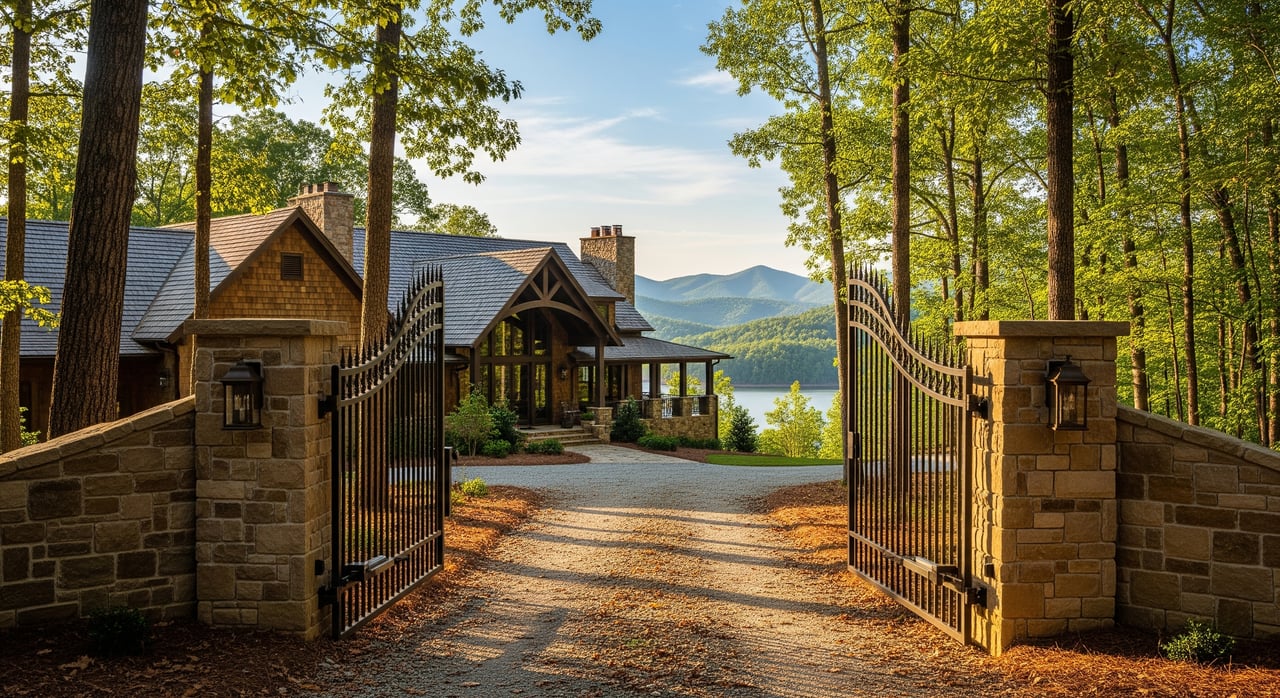
Big Canoe is a private, master‑planned community in North Georgia near Jasper. In practice, “gated” means controlled entry points, community rules, and shared amenities overseen by a property owners association. The specifics are set by the community’s governing documents and any separate club memberships.
Expect a balance of privacy and structure. You get controlled access and common‑area care, and you agree to follow community standards that protect property values and the shared experience.
Big Canoe amenities to expect
Many large mountain communities offer a wide amenity mix. Big Canoe is known for that style of living. The exact access and costs can vary by amenity, so plan to confirm each item with the Big Canoe POA.
Clubhouse and dining
Look for social spaces, casual or formal dining, and community events. Check if dining is open to all owners or tied to a club membership, and whether reservations are required for peak times.
Fitness and pools
A fitness center, indoor or outdoor pools, and wellness programming are common in amenity communities. Verify hours, seasonal closures, and any guest limits or daily user fees.
Golf access and fees
Golf in master‑planned communities often operates as a separate club with its own initiation and dues. Confirm if golf is optional, what it costs, and whether there are tee time or cart policies for residents and guests.
Lakes, marina, boating rules
Mountain communities frequently include lakes, beaches, and fishing access. Check boat registration rules, engine type limits, no‑wake zones, dock assignments, and storage fees. Ask whether powered watercraft are allowed and how guest boats are handled.
Courts and trails
Tennis, pickleball, and miles of hiking trails are typical. Confirm court reservation systems, guest access, and any event schedules that affect availability.
Gate access and daily logistics
Gates are about more than a guardhouse. Understanding access systems, visitor procedures, and emergency protocols will simplify your move and daily routines.
Entrances and hours
Many communities use a mix of staffed gates and owner electronic access. Ask about gate locations, whether any gate is staffed 24/7, and how owners enter after hours.
Visitor and contractor policies
Most gated places require guest registration, often through an online portal or a call to the gate. Confirm day and overnight guest procedures, and whether there are limits on consecutive overnight stays. For contractors and vendors, ask about daily passes, insurance requirements, and timing restrictions.
Deliveries and rideshares
Policies vary by community. Some allow parcel carriers inside the gate, while others route packages to a central pickup point. Ask how UPS, FedEx, USPS, rideshare, and food delivery are handled so you can plan for busy weekends and holidays.
Emergency access
Lenders and insurers sometimes ask how first responders enter. Request the written policy describing how EMS, fire, and law enforcement access gated areas. Confirm the community coordinates with local emergency services for immediate entry.
Fees and what they fund
Understanding dues and memberships helps you budget with confidence. The POA’s budget and fee schedule will outline what is covered and what is pay‑as‑you‑go.
Master dues and assessments
Expect a regular POA due that funds items like common‑area maintenance, roads, and gate staffing. Ask for the current dues, last year’s budget, reserve study, and any recent or planned special assessments.
Club memberships
Higher‑cost amenities such as golf and certain social programs often require separate memberships with initiation fees and ongoing dues. Request the membership options, waitlists if any, and refund or pause policies.
Boat and storage fees
If you plan to boat or store equipment, verify fees for registration, dock assignment, storage, and guest permits. Ask how assignments are prioritized and what happens if you sell or change boats.
Utilities and services
Ask which services are included in dues and which are homeowner expenses. Topics to confirm include private road maintenance, water and sewer, trash and recycling, cable and internet options, and whether there are bulk contracts.
Governance and rules
The governing documents set the standards for property changes, rentals, and day‑to‑day use of community spaces. These documents are your best source for definitive answers.
Architectural review
Most master‑planned communities require approval for exterior changes. Request the architectural guidelines and timelines for approvals, and clarify rules for paint, fencing, docks, and outbuildings.
Short‑term rental rules
Many amenity communities limit or regulate short‑term rentals. Verify whether rentals are allowed, minimum stays, registration steps, guest caps, and any taxes or fees.
Parking, pets, and quiet hours
Standards typically cover parking, visible storage, leash rules, and noise guidelines. Review the enforcement process, including fines and the hearing procedure, so you know how rules are applied.
Daily living insights
Gated communities can change your routines in small but important ways. Planning ahead keeps things smooth.
Privacy and events
You will enjoy controlled traffic and managed common areas. Near clubhouses or event spaces, expect occasional peak parking or activity. Ask for an events calendar if you prefer a quieter location.
Mail and package tips
Confirm mailbox location and package handling. If pickups occur at a gate or parcel center, set delivery alerts and plan for weekend arrivals.
Financing and insurance
Before you write an offer, ask your lender about any documentation needed for gated access and emergency entry. Check with your insurance agent about factors like proximity to hydrants and local fire response.
Resale considerations
Gated, amenity‑rich communities often attract lifestyle and second‑home buyers. Fees, rental policies, and amenity access can influence marketability. Understanding the rules now helps you position your property for future resale.
Buyer checklist for Big Canoe
Use this list to gather the right documents and set clear expectations:
- Current CC&Rs, bylaws, rules and regulations, and architectural guidelines
- POA budget, reserve study, and audited financials for the last 2–3 years
- Full fee schedule: POA dues, any special assessments, transfer fees, club initiation and dues, boat and storage fees
- Gate and visitor policy: hours, staffing, guest registration, contractor and delivery procedures
- Emergency access statement for first responders
- Amenity rules: pools and fitness, golf membership terms, lake and dock policies
- Rental policy: registration, minimum stays, guest counts, penalties, and taxes
- Community map: gate locations, amenities, and whether the property sits inside the gated perimeter
- Key contacts: POA management, gatehouse, club managers, and the appropriate property office
- Lender and insurer confirmation that they accept the gated access and community structure
Three questions to ask on a tour
- What are the gate hours and how do my guests enter? Any limits on overnight stays?
- Exactly what does the master due cover, and what amenities require separate memberships or user fees?
- What are the current rental rules, and how do they affect owners and guests?
How Charson Realty helps
You deserve clarity before you buy. Our team pairs appraisal‑informed guidance with local Big Canoe experience to help you verify dues, rules, and membership options before you make an offer. We request the right documents, outline realistic ownership costs, and coordinate with the POA and club managers so your first months in the community are smooth.
If you want a clear, step‑by‑step plan tailored to your goals in Big Canoe, connect with Charles Vecchio for a free local market consultation.
FAQs
Are amenities included in Big Canoe dues?
- Many master dues cover common areas and operations, while higher‑cost amenities like golf or certain clubs usually require separate memberships or user fees; verify the current fee schedule with the POA.
How do guests enter a gated community like Big Canoe?
- Expect guest registration through a portal or gatehouse call, plus policies for day passes and overnight stays; ask for the written visitor procedures and any limits.
Can I use rideshare and get deliveries inside the gate?
- Practices vary by community; confirm whether parcel carriers, rideshares, and food delivery receive gate access or whether pickup is required at a designated location.
What should I know about short‑term rentals in Big Canoe?
- Many amenity communities limit or regulate short‑term rentals; review the CC&Rs and rental policy for minimum stays, registration steps, guest counts, and fees.
Do gates affect my mortgage or insurance?
- Lenders and insurers may request written emergency access procedures; check with your lender and agent early to confirm acceptance and any documentation needs.
What documents should I request before making an offer?
- Obtain the CC&Rs, rules and regulations, architectural guidelines, fee schedule, recent budgets and financials, gate and emergency access policies, amenity rules, and rental policy.